
What Maintenance Does a Tesla Need? A Complete Guide for Long-Term Performance
While Teslas require less maintenance than gas-powered cars, they still need regular care to perform at their best. Without an engine, oil changes, or a traditional transmission, it is easy to assume a Tesla needs almost nothing.
That is mostly true, but a handful of maintenance items still matter for safety, comfort, and long-term reliability. Skipping them entirely may not cause an immediate problem, but it can quietly shorten the life of components that are otherwise built to last.
Here is a complete maintenance breakdown for Tesla owners across Beverly Hills and the growing electric vehicle community throughout Southern California.
Tire Rotations and Alignments
Tires are one of the most important maintenance items on any Tesla. Because electric motors deliver instant torque, tires can wear unevenly if they are not rotated on a regular schedule.
Routine wheel alignments also help protect handling, improve ride quality, and extend tire life, especially for owners who drive many miles each year.
Because Tesla's instant torque can place more strain on tires than a typical gas-powered vehicle, some owners may find that their tires require replacement sooner than expected. Consistent rotations can help distribute wear more evenly and make the most of each set.
Signs that your Tesla may need a tire rotation or alignment include:
- Uneven tire tread
- The vehicle pulling to one side
- Steering-wheel vibration
- Reduced handling or stability
- Faster-than-expected tire wear
Brake Fluid and Coolant Inspections
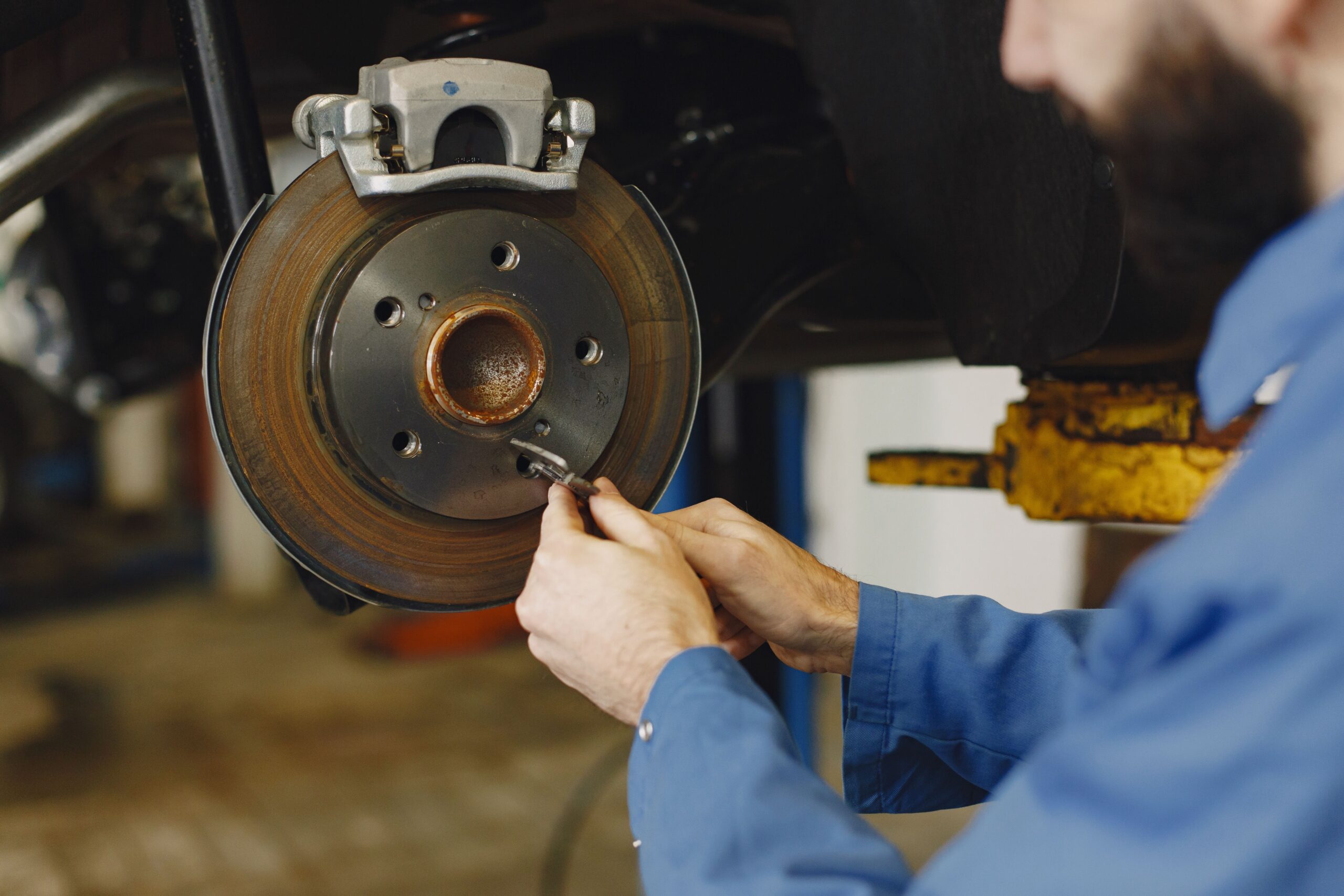
Tesla vehicles use regenerative braking, which means the traditional brake pads and rotors are used less frequently than they are in a gas-powered vehicle.
That can help brake components last longer, but it does not mean the entire braking system is maintenance-free. Brake fluid can absorb moisture over time and should be inspected periodically to confirm that it remains in good condition.
Tesla vehicles also rely on coolant systems to help manage battery, motor, and electronic component temperatures. Periodic coolant-system inspections can help identify leaks, damaged hoses, or other issues that may affect thermal management.
Cabin Air Filters and HVAC Maintenance
Cabin air filters help keep dust, pollen, debris, and outdoor pollutants from entering the vehicle's interior.
Over time, these filters can become clogged, especially in busy urban environments such as Beverly Hills and Los Angeles, where traffic, construction, and airborne particles are common.
A clogged cabin air filter can contribute to:
- Reduced airflow from the vents
- Unpleasant interior odors
- Lower heating and cooling efficiency
- Increased strain on the HVAC system
- Poorer cabin air quality
Maintaining the HVAC system is also important because climate control can influence energy usage and driving range during very hot or cold weather.
Battery and Software Updates
Tesla regularly releases over-the-air software updates that can improve vehicle efficiency, introduce new features, refine safety systems, and adjust how the battery-management system operates.
Keeping the vehicle connected and installing updates when they become available is one of the easiest parts of Tesla maintenance because it often does not require a visit to a repair facility.
Software updates may help improve:
- Battery-management performance
- Charging functionality
- Driver-assistance features
- Touchscreen operation
- Vehicle security
- Energy efficiency

Routine Inspections and Preventative Maintenance
Even with fewer moving parts, periodic inspections help catch minor issues before they become larger and more expensive problems.
A professional Tesla inspection may include reviewing:
- Tire condition and pressure
- Suspension and steering components
- Brake fluid and braking components
- Cooling-system condition
- Battery and charging behavior
- Warning lights and diagnostic codes
- Sensors and cameras
- Exterior and underbody condition
A general guideline is to have your Tesla inspected about once a year or every 12,000 to 15,000 miles, depending on your driving habits, mileage, and vehicle condition.
Owners who frequently drive in heavy traffic, travel long freeway distances, or regularly use performance features may benefit from more frequent inspections.
Wiper Blades and Other Small Wear Items
It is easy to overlook the smaller items on a Tesla maintenance checklist, but components such as wiper blades, washer fluid, and cabin seals still wear down over time regardless of what powers the vehicle.
Southern California's sunlight, dust, heat, and dry conditions can accelerate wear on rubber components.
Items worth checking periodically include:
- Windshield wiper blades
- Windshield washer fluid
- Door and window seals
- Charging-port seals
- Exterior lighting
- Windshield chips or cracks
A quick visual inspection between scheduled service visits can help identify small maintenance needs before they affect visibility, comfort, or weather protection.
Suspension and Steering Components
Teslas are generally heavier than comparable gas-powered vehicles because of their battery packs. That additional weight can place more demand on suspension and steering components over time.
Potholes, uneven pavement, speed bumps, and daily Los Angeles traffic can also contribute to wear.
Warning signs that suspension or steering components may need attention include:
- Clunking or knocking noises
- An unusually rough ride
- Uneven tire wear
- Loose or imprecise steering
- The vehicle sitting unevenly
Having these systems inspected early can help protect handling, alignment, tire life, and overall driving comfort.
Charging Equipment and Port Inspections
The charging system is another area that Tesla owners should monitor over time.
Home charging cables, wall connectors, and the vehicle's charging port should be kept clean and inspected for visible damage.
Contact a qualified technician if you notice:
- Charging interruptions
- Unusually slow charging speeds
- Heat around the connector
- Damage to the charging cable
- Difficulty connecting or disconnecting the charger
- Charging-related warning messages
Addressing charging concerns promptly can help prevent inconvenience and rule out issues involving the charger, electrical supply, software, or vehicle components.
How Tesla Maintenance Differs From Traditional Vehicles
The biggest difference is everything Tesla owners no longer have to do.
Teslas do not require many traditional maintenance services, including:
- Engine oil changes
- Spark plug replacement
- Engine air-filter replacement
- Fuel-filter replacement
- Traditional transmission service
- Exhaust-system repairs
Instead, Tesla maintenance focuses more heavily on tires, brakes, coolant systems, cabin comfort, software, suspension components, charging systems, and preventative inspections.
This reduced maintenance burden is one of the major benefits of EV ownership, but following a consistent inspection schedule is still important for long-term safety and performance.
Book a Tesla Maintenance Inspection in Beverly Hills
Fix Auto Beverly Hills offers Tesla maintenance and inspection services focused on protecting vehicle safety, comfort, and long-term performance.
Whether you need a routine inspection, tire and alignment evaluation, brake-system check, or help diagnosing a warning message, our team can evaluate your Tesla and explain the recommended next steps.
Schedule an inspection today to keep your Tesla performing at its best throughout Beverly Hills, Los Angeles, and Southern California.
Schedule Your Tesla Maintenance Inspection
Routine inspections help protect your Tesla's tires, brakes, suspension, charging system, and overall performance. Contact Fix Auto Beverly Hills to schedule a maintenance inspection and receive clear guidance from a team experienced with luxury electric vehicles.
FAQ
No. Teslas do not have a traditional combustion engine, so engine oil changes are not required. Maintenance instead focuses on tires, brake fluid, cabin air filters, cooling systems, software updates, charging components, and periodic inspections.
Tesla tires are commonly rotated roughly every 6,000 to 10,000 miles, or sooner if uneven tread wear appears. The appropriate timing can vary based on the model, tire type, driving habits, and road conditions.
Yes. Tesla coolant systems help regulate battery, motor, and electronic component temperatures. Although they do not require the same frequent service as many traditional cooling systems, they should still be inspected periodically for leaks, damage, and proper operation.
A general guideline is about once a year or every 12,000 to 15,000 miles, depending on driving habits, annual mileage, road conditions, and vehicle performance. Regular inspections help identify minor wear before it develops into a more serious problem.
Yes. Sun exposure, heat, and dust common throughout Southern California can accelerate wear on rubber components such as wiper blades and door seals. Periodic visual checks between scheduled service visits are a good habit for local Tesla owners.