
Looking for an Audi Body Shop Near You? Here's How to Choose the Right Repair Center
Your Audi was engineered with precision, and it deserves repairs that meet the same standard. When you are searching for an Audi body shop near you, it is worth looking beyond proximity alone.
Audi vehicles use advanced materials and tightly engineered systems that require real experience with luxury vehicles, not just general auto body work. A repair that technically closes out an insurance claim is not necessarily the same as one that restores your vehicle's original fit, handling, safety, and finish.
Here is what Beverly Hills and Los Angeles Audi owners should look for before choosing a collision repair center.
Why Audi Repairs Require Specialized Expertise
Audi vehicles often combine steel, aluminum, and other advanced materials in ways that require specific repair knowledge.
A shop without experience repairing luxury vehicles may not have the training or equipment needed to restore these components correctly. That can affect the vehicle's structural integrity, handling, safety-system performance, and overall condition after the repair.
Multi-material construction requires different welding, bonding, measuring, and repair techniques depending on which materials are involved. Using an incorrect process can weaken the structure the original design was intended to provide.
A qualified Audi repair facility should understand:
- Aluminum and high-strength steel repair procedures
- Structural measuring and alignment
- Electronic diagnostics
- Sensor and camera calibration
- Luxury vehicle paint refinishing
- Manufacturer-recommended repair methods
OEM Parts and Manufacturer-Approved Repair Methods
Genuine OEM parts are manufactured to your Audi's original specifications, which matters for fit, safety, appearance, and long-term reliability.
A repair center that prioritizes OEM components and follows manufacturer-recommended procedures gives you greater confidence that the vehicle is being restored properly rather than simply repaired well enough to pass a visual inspection.
OEM parts can help support:
- Correct panel fit and alignment
- Consistent structural performance
- Proper operation of sensors and safety systems
- Factory-quality appearance
- Long-term durability
Ask the repair center whether OEM parts will be used and how any alternative parts would be discussed with you before installation.
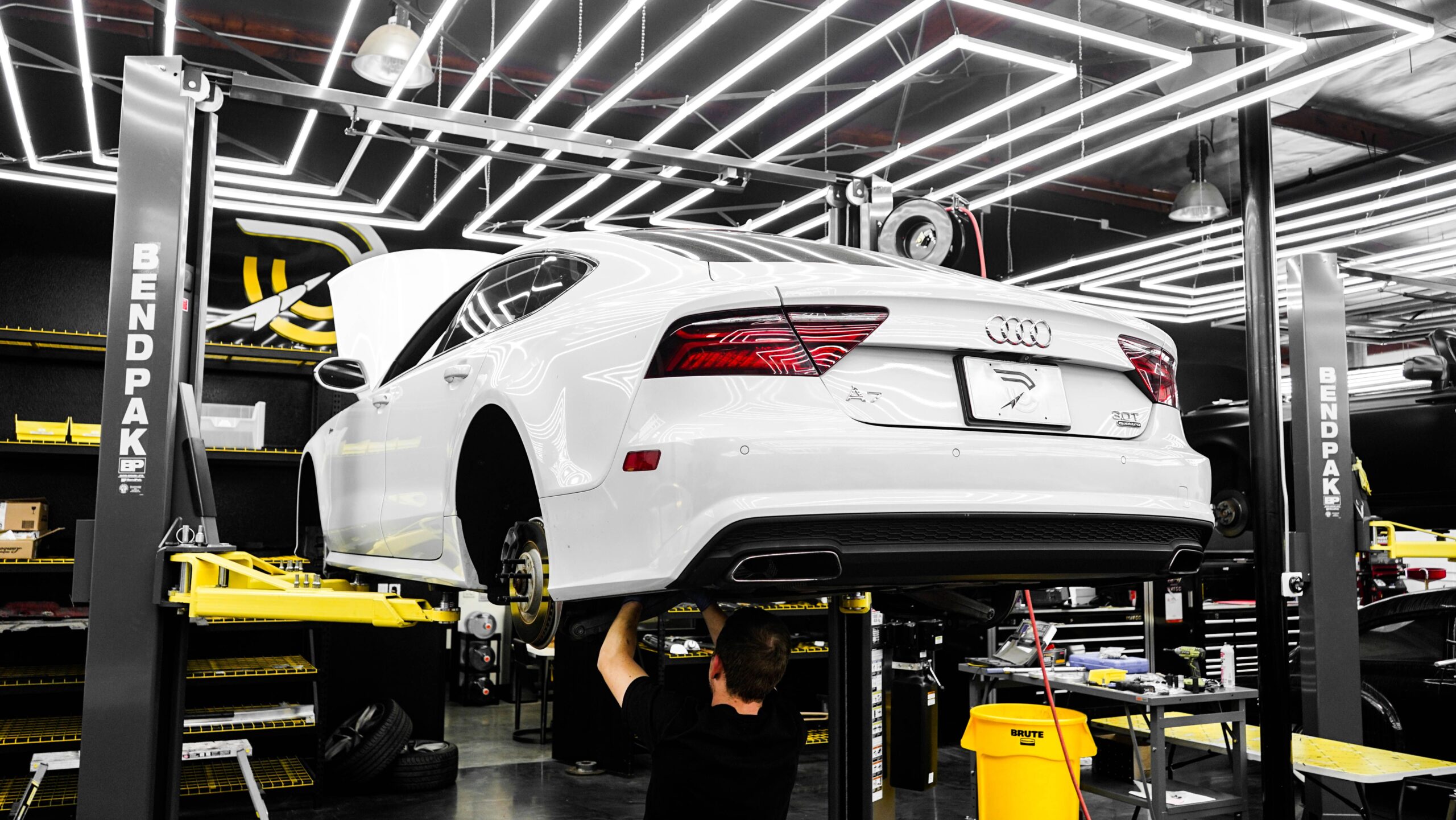
Paint Matching and Structural Repair Standards
Audi's paint finishes, sculpted body lines, and precise panel gaps are part of what gives the vehicle its refined appearance.
A repair with an inaccurate color match, uneven panel spacing, visible overspray, or improper alignment can be easy to notice, especially on a luxury vehicle.
Professional Audi refinishing may require:
- Computerized color-matching technology
- Controlled spray-booth conditions
- Careful blending across adjacent panels
- Multi-stage paint application
- Final polishing and finish inspection
Structural repairs require the same level of precision. Proper measuring and alignment help restore the vehicle's dimensions, panel fit, handling, and crash-protection characteristics as closely as possible.
Certifications and Technician Experience
When evaluating an Audi body shop, ask directly about the technicians' experience with Audi and other luxury vehicles.
Useful questions include:
- How often does the shop repair Audi vehicles?
- What structural measuring equipment does the shop use?
- Can the shop complete electronic diagnostics and calibrations?
- Does the shop have aluminum repair capabilities?
- How are technicians trained on modern luxury vehicles?
- What quality-control checks are completed before delivery?
A shop that answers clearly and confidently is generally a good sign that it understands the complexity of luxury collision repair.
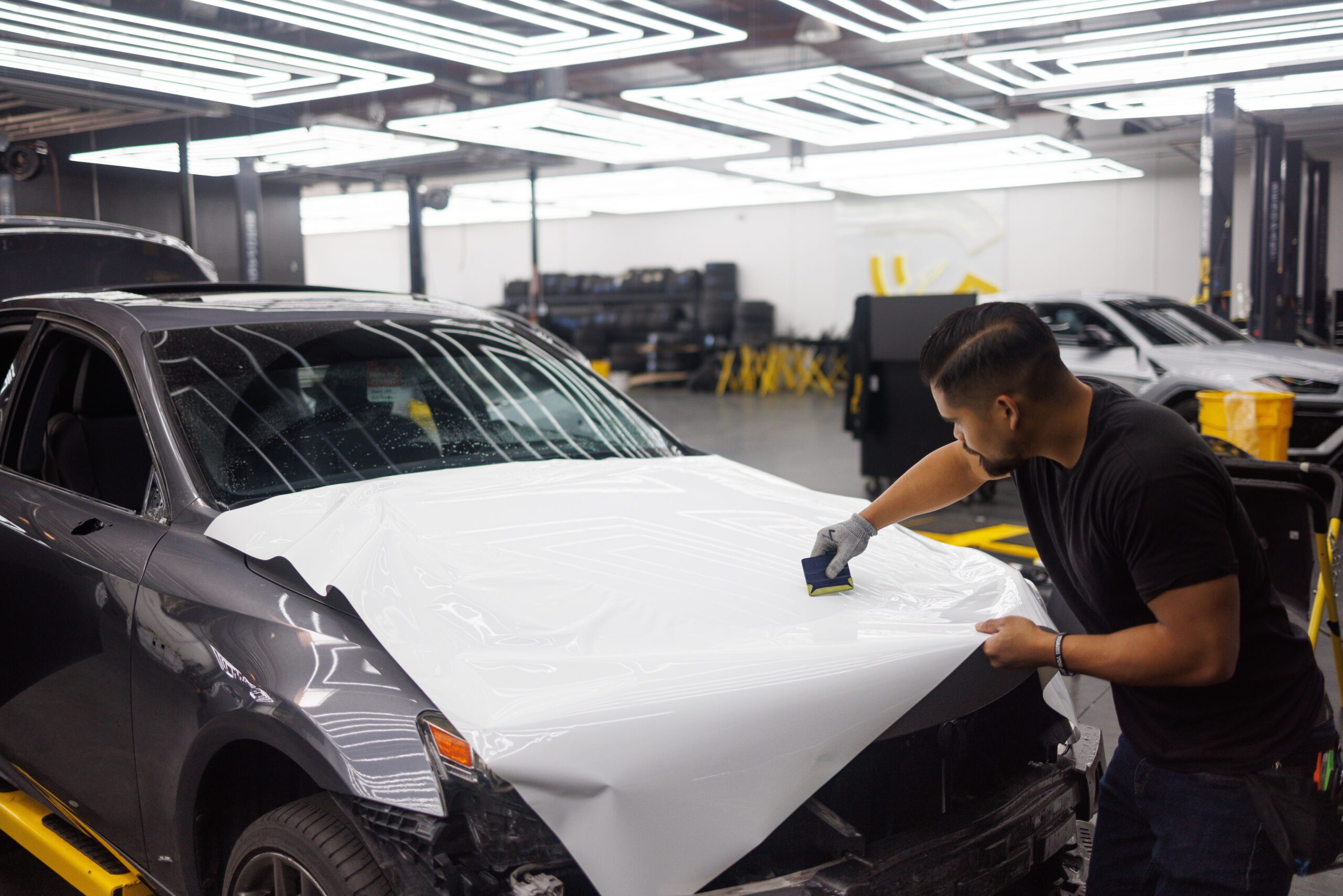
Choosing a Shop With Luxury Vehicle Experience
Before authorizing repairs, confirm that the facility has direct experience with Audi and other premium vehicles.
- Ask about direct experience repairing Audi and other luxury makes
- Confirm whether genuine OEM parts will be used
- Ask how the shop approaches paint matching and panel alignment
- Confirm that diagnostic scans and calibrations can be completed
- Request details about the final quality-inspection process
- Ask how the shop coordinates estimates and supplements with insurance providers
Choosing based only on location or the lowest estimate can create problems later if the shop lacks the tools, training, or attention to detail required for the vehicle.
Advanced Safety Systems and Calibration
Modern Audi vehicles may contain cameras, radar units, parking sensors, lane-assistance technology, collision-warning systems, and other advanced driver-assistance features.
These components can be affected by repairs involving bumpers, windshields, suspension parts, body panels, or structural alignment.
Depending on the repair, calibration may be needed to confirm that affected systems can operate correctly. A visual inspection alone cannot always verify whether a camera or sensor is aimed within the required specifications.
Ask whether the repair plan includes:
- Pre-repair diagnostic scanning
- Post-repair diagnostic scanning
- Sensor and camera calibration
- Warning-light evaluation
- System-function testing
Communication Throughout the Repair Process
A quality repair experience is not only about the finished bodywork. It also includes clear communication from the initial estimate through the final vehicle walkthrough.
You should expect updates about:
- Insurance approvals
- Parts availability
- Supplemental damage
- Repair progress
- Changes to the estimated completion date
- Final inspections and calibrations
Repair centers with real luxury vehicle experience tend to set realistic expectations upfront and explain delays rather than leaving owners uncertain about what is happening.
Protecting Resale Value and Performance
A properly repaired Audi protects more than day-to-day appearance and performance. It can also help protect the vehicle's resale value.
Buyers, dealerships, and appraisers may notice signs of poor-quality collision work, including:
- Mismatched paint
- Uneven panel gaps
- Low-quality replacement parts
- Visible repair marks
- Unresolved warning lights
- Handling or alignment problems
Choosing a shop that takes the time to complete repairs correctly helps preserve the vehicle's condition, performance, appearance, and long-term market value.
Reviewing the Final Repair Before Pickup
Before accepting your Audi, take time to review the completed work with the repair center.
The final walkthrough should include:
- A summary of the repairs completed
- An explanation of the parts used
- A review of paintwork and panel alignment
- Confirmation that scans and calibrations were completed
- Information about the shop's repair warranty
- Any recommended follow-up care
Inspect the vehicle in good lighting and ask questions if anything appears inconsistent. A reputable shop should be willing to explain the work and address your concerns before delivery.
A Trusted Destination for Luxury Vehicle Collision Repair
Fix Auto Beverly Hills repairs Audi and other luxury and high-performance vehicles alongside its specialized electric-vehicle collision services.
Our team applies the same attention to detail across every repair, including structural evaluation, OEM-quality parts selection, precise paint matching, insurance coordination, and final quality control.
Schedule a repair estimate with our team to receive clear guidance on your Audi's damage, the recommended repair process, and the next steps needed to restore your vehicle properly.
Schedule Your Audi Repair Estimate
If your Audi has been involved in an accident, choose a repair center that understands the precision, materials, technology, and finish standards your vehicle requires. Contact Fix Auto Beverly Hills to schedule an inspection or collision repair estimate.
FAQ
Yes. While electric-vehicle collision repair is one of our specialties, our team also repairs other luxury and high-performance vehicles, including Audi. We apply the same attention to OEM-quality parts, paint matching, structural alignment, diagnostics, and quality control across every repair.
Ask about the shop's experience with Audi and other luxury vehicles, whether genuine OEM parts will be used, how technicians approach paint matching and structural alignment, whether diagnostic scanning and calibration are available, and what the final quality-inspection process includes.
OEM parts are manufactured to your Audi's original specifications, supporting proper fit, appearance, safety, system functionality, and long-term durability. This is especially important for structural components and parts located near sensors or safety systems.
Yes. Mismatched paint, uneven panel gaps, low-quality parts, unresolved warning lights, or rushed bodywork may be noticeable to buyers and appraisers. Choosing a shop with luxury vehicle experience helps protect both performance and resale value.
You should expect a clear initial estimate, updates regarding insurance approval and parts availability, notification of any additional damage, realistic timeline updates, and a final walkthrough explaining the repairs before your Audi is returned.