
How Long Do Tesla Batteries Last? What Every Tesla Owner Should Know About Battery Life
Your Tesla is built to go the distance, but proper care makes all the difference in how well it holds up over time. For Tesla owners across Beverly Hills and Los Angeles, understanding battery longevity is one of the biggest factors in feeling confident about a long-term EV investment.
It's also one of the most common questions new owners ask, especially those comparing an EV's long-term cost of ownership to a traditional gas-powered vehicle. Here's what actually affects how long a Tesla battery lasts, how many miles you can realistically expect, and why routine inspections still matter even for a vehicle with far fewer moving parts than a gas-powered car.
Average Tesla Battery Lifespan and Mileage Expectations
Most Tesla batteries are designed to last well beyond 100,000 miles, with many owners reporting strong performance past 150,000 to 200,000 miles when the vehicle is properly maintained.
Battery capacity does decline gradually over time, but that decline tends to level off after the first few years rather than continuing at the same rate.
For most drivers, that means a Tesla's battery can realistically outlast many other components on the vehicle, including plenty of the parts you'd expect to replace on a traditional car well before then.
Real-world data from long-term owners consistently shows this pattern: a faster dip in the first year or two, followed by a much flatter curve for the rest of the vehicle's life.
Factors That Affect Battery Health
Several factors influence how well a Tesla battery holds up over the years. Frequent exposure to extreme heat or cold, consistently charging to 100 percent, and letting the battery sit at very low charge levels for long periods can all accelerate wear.
Driving style plays a role too, since aggressive acceleration and heavy use of performance modes place more demand on the battery than typical daily driving.
Charging Habits and Maintenance Tips
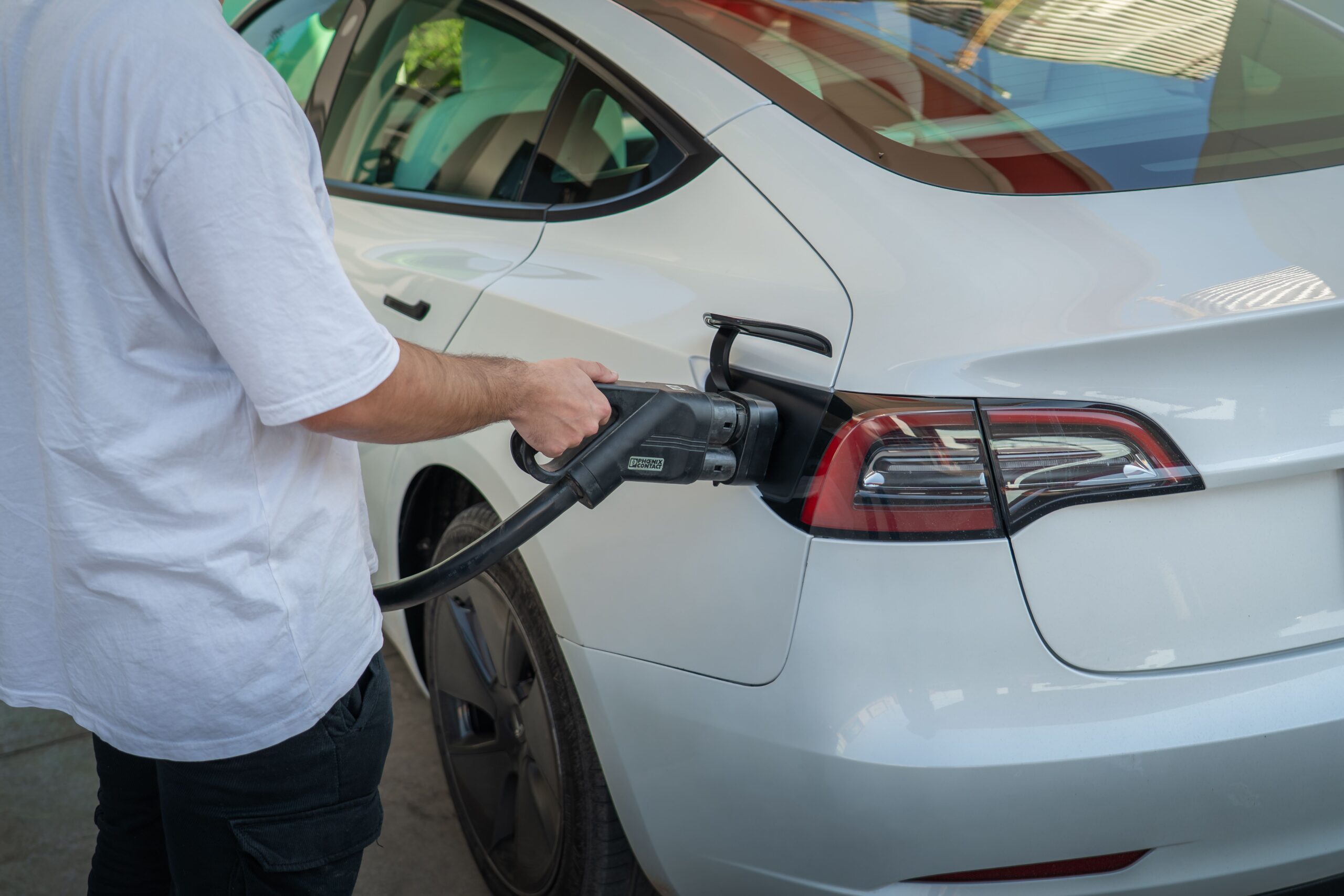
- Keep your daily charge level between roughly 20 and 80 percent when possible
- Avoid letting the battery sit at a very low charge for extended periods
- Use Superchargers when needed, but rely on slower home charging for daily use
- Precondition the battery in extreme heat or cold before driving
Small adjustments to daily charging habits can help reduce unnecessary battery stress and support more consistent long-term performance.
Battery Warranties and Long-Term Ownership
Tesla backs its battery and drive unit with a limited warranty that typically covers eight years, with mileage limits that vary by model, protecting against capacity loss beyond what is considered normal degradation.
Reviewing your specific coverage through Tesla's official vehicle warranty information is the best way to understand exactly what is covered as your vehicle ages.
Signs of Battery Degradation
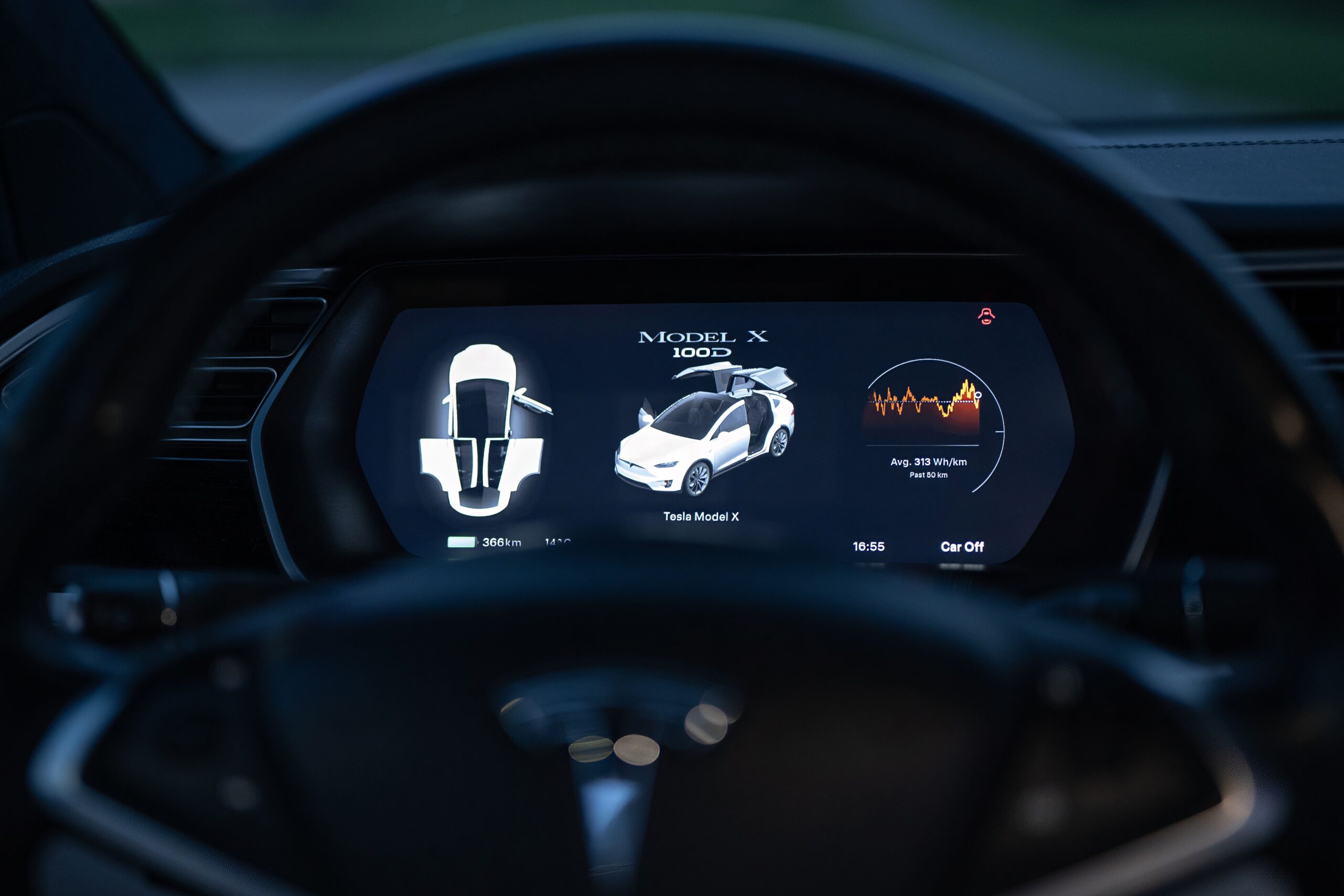
Some gradual range loss over the years is normal and expected. However, a sudden or unusually sharp drop in range, inconsistent charging behavior, or dashboard alerts related to the battery system are worth having looked at by a qualified technician.
Catching these signs early helps rule out issues unrelated to normal aging, such as a software or charging component problem.
Why Professional Inspections Still Matter
Even though Teslas require less hands-on maintenance than traditional vehicles, periodic inspections help catch small issues before they become bigger ones.
A Tesla-certified repair team can evaluate your vehicle's overall condition, not just the battery, using manufacturer-approved procedures and equipment built specifically for Tesla's technology.
At Fix Auto Beverly Hills, Tesla owners receive inspections and repair guidance tailored to modern luxury electric vehicles.
How the Southern California Climate Factors In
Beverly Hills and the greater Los Angeles area are actually a fairly favorable climate for battery longevity compared to regions with harsh winters or extreme humidity.
Consistently mild temperatures mean less energy is spent on battery thermal management throughout the year.
That said, warmer summer months can still add stress if a vehicle is frequently parked in direct sun or charged immediately after a long, hot drive, so a few small habits can go a long way for local owners.
Schedule a Tesla Inspection in Beverly Hills
If it's been a while since your Tesla was last inspected, or you've noticed changes in range or charging behavior, Fix Auto Beverly Hills can help.
Schedule an inspection with our team and get a clear picture of your vehicle's condition from technicians who work on Teslas every day.
Schedule a Tesla Inspection in Beverly Hills
If you have noticed changes in range, charging behavior, or overall vehicle performance, a professional inspection can help identify potential concerns early. Contact Fix Auto Beverly Hills to have your Tesla evaluated by a team experienced with luxury electric vehicles.
FAQ
Most Tesla batteries are built to perform well past 100,000 miles, and many owners report strong range and performance even beyond 150,000 to 200,000 miles when the vehicle is charged and maintained properly over its lifetime.
Not usually. Gradual, moderate capacity loss over time is considered normal and doesn't require a replacement. A sudden or unusually sharp drop in range is what typically warrants a professional inspection to rule out other issues.
Occasional fast charging is generally fine, but relying on it constantly instead of regular home charging can contribute to faster wear over time. Balancing charging methods helps support long-term battery health and performance.
Your vehicle's touchscreen and mobile app provide charging history and range data over time. For a more detailed evaluation, a Tesla-certified technician can assess overall battery performance as part of a routine inspection.
Mild, consistent temperatures are generally easier on a Tesla battery than extreme cold. Summer heat can add some stress if a vehicle sits in direct sun often, but overall, Southern California's climate is fairly favorable for long-term battery health.